

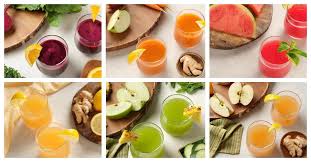
If you’ve been browsing health stores or wellness blogs, you’ve probably seen cold pressed juice taking center stage. But what exactly is cold pressed juice, and why is it considered better than the juice you get from your average juicer? In simple terms, cold pressed juice is a method of extracting juice from fruits and vegetables that prioritizes nutrient preservation, flavor, and freshness. Unlike traditional juicing methods, which rely on high-speed spinning or centrifugal force, cold pressing uses a slow, hydraulic process to extract every drop of liquid without adding heat. This means more vitamins, minerals, and antioxidants make it into your cup.
Cold pressed juice has rapidly grown in popularity because it combines convenience with health benefits. People are looking for ways to integrate more nutrients into their diets without sacrificing taste, and cold pressed juice provides a way to do exactly that. From detox enthusiasts to busy professionals, cold pressed juice has become a go-to for anyone seeking a nutritional boost.
How Is Cold Pressed Juice Made?
Understanding how cold pressed juice is made can help you appreciate why it’s considered superior to regular juice. The process itself is both precise and gentle, preserving as much nutrition and flavor as possible.
Selecting the Freshest Ingredients
Everything begins with ingredient selection. Fresh, ripe fruits and vegetables form the foundation of a nutrient-rich cold pressed juice. Organic produce is preferred because it reduces exposure to pesticides and chemicals, ensuring the juice you drink is as clean as possible. Common choices include leafy greens like kale and spinach, fruits such as apples and oranges, and vegetables like celery and carrots.
The Cold Press Extraction Method
The magic of cold pressed juice lies in its extraction method. A hydraulic press or a slow masticating juicer is used to crush and press the produce, slowly separating juice from the fiber. This is very different from centrifugal juicers, which spin at high speeds, generating heat that can degrade delicate vitamins and enzymes.
Cold press juicing techniques are designed to avoid oxidation, which preserves both flavor and nutrients. By using slow pressing methods, the juice retains more antioxidants, vitamins, and natural enzymes than regular juice.
Juicing Process Step by Step
- Wash and prepare ingredients – remove stems, cores, and any damaged parts.
- Feed produce into the machine – slowly push the fruits and vegetables through the press or masticating juicer.
- Collect the juice – the liquid is separated from the pulp and collected in a clean, airtight container.
- Optional filtering – some brands or home juicers filter out excess pulp to create a smoother texture.
- Refrigeration – juice is best stored cold to maintain nutrients and freshness.
This slow press juice process may take more time than traditional juicing, but the health benefits make it worthwhile.
Benefits of Cold Pressed Juice
Cold pressed juice offers a range of health benefits that make it stand out from conventional juice. Here’s why it has become so popular:
Higher Nutritional Value
Because cold pressed juice avoids heat and oxidation, it preserves more vitamins and minerals. For example, vitamin C from citrus fruits remains intact, as do delicate antioxidants found in berries. This makes cold pressed juice a nutritional powerhouse compared to regular juice, which loses nutrients quickly due to heat and exposure to air.
Digestive Support and Detoxification
Cold pressed juice is easier for your body to absorb, providing a rapid infusion of nutrients without taxing your digestive system. Many people use cold pressed juice as part of a detox or cleanse, enjoying its ability to flush toxins and support liver function. Ingredients like cucumber, celery, and ginger are especially popular for detox juices.
Weight Management
In addition to nutritional benefits, cold pressed juice can be part of a healthy weight management plan. Low in calories but high in vitamins, these juices provide satiety and energy, helping people make better dietary choices throughout the day.
Skin and Beauty Benefits
The antioxidants in cold pressed juice can help fight free radicals, supporting healthier skin and hair. Vitamins like A, C, and E play a role in collagen production, which contributes to glowing skin. Drinking fresh, cold pressed juice regularly is often touted as a natural way to enhance your complexion.
Cold Pressed Juice vs Regular Juice
Many people wonder: what makes cold pressed juice different from the juice you squeeze at home or buy in a supermarket? Here’s a detailed comparison:
- Extraction Method: Cold pressed juice uses slow hydraulic or masticating pressing, while regular juice often relies on centrifugal force.
- Nutrient Retention: Cold pressing preserves enzymes and vitamins, whereas heat from traditional juicers can degrade them.
- Shelf Life: Properly stored, cold pressed juice can last 3-5 days in the fridge; fresh juice typically lasts only a day.
- Flavor: Cold pressed juice has a richer, fuller taste, often with less foam or separation.
- Fiber Content: While both methods remove most fiber, cold pressed juice retains some soluble fiber for digestive benefits.
In short, cold pressed juice offers a more nutrient-dense and flavorful experience.
Making Cold Pressed Juice at Home
For those who want to enjoy the benefits without buying pre-packaged juice, making cold pressed juice at home is possible.
Equipment You’ll Need
- A hydraulic or masticating press juicer.
- Fresh fruits and vegetables.
- Glass bottles or jars for storage.
Step-by-Step Instructions
- Wash and chop ingredients – organic produce is ideal.
- Feed ingredients into your cold press juicer – go slowly to ensure maximum extraction.
- Collect juice and store immediately – use airtight bottles and refrigerate.
- Experiment with flavors – mix fruits and vegetables to find combinations you enjoy.
Recipe Ideas
- Green Detox Juice: Kale, celery, cucumber, lemon, and ginger.
- Immune Boosting Juice: Orange, carrot, and turmeric.
- Fruity Morning Juice: Apple, pineapple, and mint.
- Vegetable Blend: Beetroot, carrot, and parsley.
These recipes take advantage of the cold pressed juice method to retain nutrients, maximize flavor, and create a refreshing, healthy beverage.
Why Cold Pressed Juice Is Better Than Traditional Juice
The primary advantage of cold pressed juice lies in nutrient retention. Because it’s made without heat, delicate vitamins and enzymes remain intact. Additionally, the slow press method reduces oxidation, keeping the juice fresher for longer. Cold pressed juice also offers superior flavor, a smoother texture, and a higher concentration of antioxidants compared to centrifuge or traditional juicing methods.
Beyond the nutritional benefits, cold pressed juice is versatile. It can be used in detox programs, weight management routines, and even as part of skincare wellness plans. It’s also a convenient way to incorporate more vegetables and fruits into your diet, especially for those with busy lifestyles.
Tips for Choosing Cold Pressed Juice
- Look for organic, fresh ingredients to maximize health benefits.
- Check for cold pressed juice near me or reputable online brands to ensure quality.
- Store juice in airtight containers and keep refrigerated.
- Try mixing fruits and vegetables to balance flavor and nutrients.
- Pay attention to expiration dates, as even cold pressed juice has a limited shelf life.
By following these tips, you can enjoy the full benefits of cold pressed juice, whether buying from a trusted brand or making it at home.
Cold Pressed Juice Storage and Shelf Life
One of the common questions about cold pressed juice is how long it stays fresh. Unlike traditional juice, which oxidizes quickly, cold pressed juice retains nutrients longer due to its low-heat extraction process.
Ideal Storage Tips
- Use airtight bottles – Glass bottles or BPA-free containers are best to avoid contamination.
- Refrigerate immediately – Cold storage slows down oxidation and bacterial growth.
- Consume within 3–5 days – Even though cold pressed juice lasts longer than fresh juice, its nutrients start to degrade after this period.
- Avoid leaving juice at room temperature – Heat accelerates nutrient loss and reduces freshness.
By following these storage tips, your cold pressed juice retains maximum vitamins, antioxidants, and enzymes.
Best Cold Pressed Juice Recipes for Health
Creating your own cold pressed juice at home allows you to target specific health goals, from detox and weight loss to glowing skin. Here are a few beginner-friendly, nutrient-packed options:
1. Green Detox Juice
- Ingredients: Kale, cucumber, celery, lemon, and ginger.
- Benefits: Supports digestion, detoxifies the body, and provides antioxidants.
- Tip: Use a cold press juicer to preserve vitamin C and natural enzymes.
2. Immune-Boosting Citrus Juice
- Ingredients: Orange, carrot, turmeric, and a pinch of black pepper.
- Benefits: Strengthens immunity, reduces inflammation, and supports skin health.
- Tip: Cold pressed extraction ensures maximum retention of vitamin A and C.
3. Morning Energy Booster
- Ingredients: Apple, pineapple, and mint.
- Benefits: Natural energy lift, hydration, and a refreshing start to your day.
- Tip: Slow press helps retain natural sugars and flavor balance.
4. Beet & Veggie Power Juice
- Ingredients: Beetroot, carrot, parsley, and celery.
- Benefits: Supports liver function, improves circulation, and provides antioxidants.
- Tip: Cold pressed juice maintains the beetroot’s deep red antioxidants.
These cold pressed juice recipes are perfect for anyone wanting a beginner-friendly cold pressed juice method, easy to prepare and packed with nutrition.
Tips for Using Cold Pressed Juice Effectively
While cold pressed juice is a convenient and healthy option, using it correctly maximizes benefits:
- Pair with a balanced diet: Juice is nutrient-dense but not a complete meal replacement. Combine it with whole foods for balanced nutrition.
- Start with smaller servings: Beginners can start with 8–12 ounces per day to allow the body to adjust.
- Include variety: Mix fruits and vegetables to cover a wide range of vitamins, minerals, and antioxidants.
- Drink fresh: Consume juice soon after pressing to get the full benefits of vitamins and enzymes.
Using cold pressed juice with these tips helps you achieve health goals while enjoying maximum flavor and nutrients.
Choosing the Right Cold Pressed Juice
Whether buying cold pressed juice from stores or online, it’s important to make informed choices.
What to Look For
- Ingredients: Short ingredient lists with whole fruits and vegetables, no artificial additives or preservatives.
- Organic certification: Ensures minimal exposure to pesticides.
- Freshness indicators: Check bottling date and shelf life.
- Brand reputation: Look for trusted cold pressed juice brands with transparent sourcing.
Some of the best cold pressed juice brands offer a variety of flavors targeting detox, immunity, energy, and skin health. Buying from a reliable source ensures the juice maintains its nutrient content.
Cold Pressed Juice vs Other Juicing Methods
To truly understand why cold pressed juice is better, it helps to compare it with other common juicing methods:
| Juicing Method | Nutrient Retention | Flavor | Shelf Life | Best For |
| Cold Pressed Juice | High | Rich, smooth | 3–5 days | Nutrient-dense, detox, skin health |
| Centrifugal Juice | Medium | Mild, foamy | 1 day | Quick juice, high volume |
| Masticating Juice | High | Smooth, slightly thicker | 1–3 days | Greens and leafy vegetables |
| Blended Juice / Smoothie | Medium-High | Thick, fiber-rich | 1 day | Meal replacement, fiber retention |
This comparison highlights why cold pressed juice is preferred by health enthusiasts: it preserves nutrients, retains flavor, and offers a longer shelf life.
Cold Pressed Juice for Specific Health Goals
Detox and Cleansing
Cold pressed juice is widely used in juice cleanses. Juices made with green vegetables, lemon, and ginger help flush toxins and support liver health.
Weight Management
Replacing one meal with a nutrient-packed cold pressed juice can aid weight loss while keeping you energized. Juices with high vegetable content are low in calories but rich in vitamins.
Skin and Beauty
The antioxidants in cold pressed juice help fight free radicals, improve skin elasticity, and support collagen production. Juices containing carrots, oranges, and berries are particularly beneficial.
Energy Boost
A mix of fruits and vegetables in cold pressed juice provides natural sugars, vitamins, and minerals that give a sustained energy boost without caffeine.
Common Questions About Cold Pressed Juice
What is special about cold-pressed juice?
Cold pressed juice preserves more vitamins, enzymes, and antioxidants compared to traditional juicing, thanks to its slow extraction process that minimizes heat and oxidation.
What’s the difference between cold-pressed juice and regular juice?
Cold pressed juice uses hydraulic or masticating pressing to extract juice slowly, retaining more nutrients, while regular juice often relies on high-speed spinning that generates heat, reducing nutrient content.
What are the disadvantages of cold press juice?
It can be more expensive than regular juice, requires specialized equipment to make at home, and should be consumed within 3, 5 days to maintain freshness and nutrient content.
Can I make cold-pressed juice at home?
Yes! With a hydraulic or masticating juicer, fresh fruits and vegetables, and airtight storage containers, you can create nutrient-rich cold pressed juice at home using beginner-friendly recipes.
