

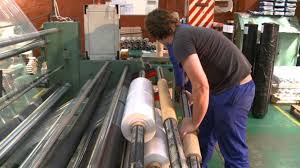
Working as a plastic processing operator is more than just running machines—it’s about transforming raw plastic materials into everyday products we rely on. From packaging materials and automotive parts to pipes and household items, plastic products touch almost every part of our lives. But behind every finished plastic product is a skilled operator who ensures quality, safety, and efficiency throughout the production process. If you’re curious about what it takes to become a plastics processing machine operator or are considering this career, understanding the skills, duties, and career path is essential.
What is a Plastic Processing Operator?
A plastic processing operator is a professional who operates machines that transform raw plastic into usable products. Depending on the facility, this could involve working with injection molding machines, extruders, blow molding machines, or calender machines. Operators handle thermoplastics, thermosets, and various polymer blends, ensuring that every product meets strict quality standards.
In essence, the role requires a blend of technical skills, attention to detail, and problem-solving abilities. Whether working on a plastic extruder operator role producing pipes, a thermoforming operator creating packaging trays, or a plastic compounder operator blending raw materials, the operator’s work is vital to the manufacturing chain. This role is found across multiple industries, including packaging, automotive, construction, and recycling, making it a versatile career choice.
Core Skills Needed for a Plastic Processing Operator
Being a successful plastic machine operator isn’t just about pressing buttons. It involves a variety of skills that ensure the machinery runs efficiently and the final products are up to standard.
Technical & Mechanical Skills
Operators must understand how to set up and operate plastic molding machines, extrusion machines, and presses. This includes adjusting temperature and pressure settings according to the type of plastic being used. A plastics moulder or molding machine operator must also be familiar with different molds, dies, and machine gauges, making mechanical aptitude a must-have skill.
Understanding material behavior is another critical skill. For example, a polymer processing operator needs to know how certain plastics behave under heat or pressure to avoid defects during production. Technical proficiency extends to plastic film extrusion operations, blow molding, and calendering processes.
Quality Control & Inspection
Quality is a non-negotiable part of plastic manufacturing. A plastic processing operator frequently conducts quality inspections, checking for proper dimensions, uniformity, and defects in the finished products. This may involve using specialized tools, gauges, or visual inspections. Operators also maintain accurate production records to track machine performance and product consistency.
Problem-Solving & Troubleshooting
Even the best machines can face issues. Operators are often the first to notice machine malfunctions, inconsistent output, or material issues. Being able to troubleshoot, adjust settings, and perform minor repairs ensures minimal downtime and maintains product quality.
Safety & Compliance Awareness
A plastic press operator or any machine operator must strictly follow safety protocols. Working with high temperatures, moving machinery, and chemicals requires constant vigilance. Knowledge of workplace safety regulations and personal protective equipment is essential to prevent accidents.
Daily Duties of a Plastic Processing Operator
The day-to-day responsibilities of a plastics production operator are varied and hands-on. While tasks can differ depending on the facility and machine type, common duties include:
- Monitoring machine performance to ensure smooth operation.
- Loading raw materials into hoppers and unloading finished products.
- Adjusting machine parameters to maintain quality standards.
- Conducting quality inspections of molded or extruded parts.
- Recording production data, noting any issues, or tracking downtime.
- Performing cleaning and maintenance tasks to keep machines in top condition.
- Collaborating with engineers, quality teams, and other operators to improve efficiency.
Operators might specialize in processes like plastic extrusion, blow molding, or injection molding, but the core responsibilities remain centered around machine operation, quality control, and safety.
Processes and Technology Used
The role of a plastic processing operator involves working with various manufacturing processes and technologies. Each process has its own techniques, machines, and skill requirements.
Injection Molding
One of the most common methods in plastic production, injection molding involves injecting molten plastic into molds to produce precise shapes. This method is widely used for products ranging from toys to automotive components. Operators must monitor temperature, pressure, and cycle times, ensuring that molds are properly set up and that finished parts meet quality standards.
Extrusion Process
Plastic extrusion is the process of pushing molten plastic through a die to create continuous shapes like pipes, sheets, or films. A plastic extruder operator ensures consistent material flow, adjusts machine settings, and monitors for defects like bubbles or uneven thickness.
Blow Molding & Thermoforming
Blow molding creates hollow objects like bottles and containers, while thermoforming shapes heated plastic sheets over molds. Operators in these areas must be skilled at temperature control, mold setup, and handling delicate materials.
Calendering and Compounding
Calendering produces sheets and films, while plastic compounding involves blending polymers with additives to achieve specific properties. Plastics mixer operators and compounder operators play a critical role in maintaining consistent material quality.
Polymer Blending & Material Handling
Proper handling of raw materials and understanding polymer blends are essential. Operators must feed hoppers accurately, mix materials correctly, and ensure consistent quality before the production process begins.
Tools & Equipment a Plastic Processing Operator Uses
A plastic processing operator relies on a variety of tools and machines to turn raw materials into high-quality finished products. Familiarity with equipment is critical, as each machine has its unique controls, safety requirements, and maintenance needs.
- Injection molding machines: Used to produce complex shapes by injecting molten plastic into molds. Operators monitor temperature, pressure, and cycle times to ensure precision.
- Extruders: Push molten plastic through dies to create continuous shapes like pipes, sheets, and films. Plastic extruder operators must adjust speed and temperature for consistent output.
- Blow molding machines: Essential for producing hollow plastic items such as bottles and containers. Operators control mold pressure and cooling times for uniform products.
- Calender machines: Produce thin plastic sheets and films by rolling molten plastic between heated rollers.
- Polymer processing extruders: Used for compounding and blending plastics with additives for desired properties.
- Molding dies and tools: Require careful setup and maintenance to ensure accuracy in product shape and size.
- Machine gauges and dials: Operators constantly monitor readings to maintain optimal operating conditions.
- Temperature controllers: Crucial for maintaining proper heat throughout the molding, extrusion, or thermoforming process.
- Conveyor systems: Used to transport materials and finished products efficiently across the production line.
- Hopper and feeder systems: Ensure a steady supply of raw plastic to the machines.
Understanding these tools and equipment allows operators to maintain high productivity, consistent quality, and workplace safety. A skilled operator doesn’t just run the machines—they anticipate issues, make adjustments, and prevent defects before they occur.
Career Path for Plastic Processing Operators
A career as a plastic processing operator can be highly rewarding, offering opportunities for growth, specialization, and skill development.
Entry-Level Opportunities
Many operators start as junior operators, assistants, or apprentices. These roles allow hands-on experience under supervision while learning to operate different machines and understand various plastics processing methods. Entry-level positions may involve basic tasks like loading materials, monitoring machines, and performing quality checks.
Certifications & Training
Formal training can accelerate career growth. Certifications such as Certificate II & III in Polymer Processing or vocational programs in plastics manufacturing provide essential technical knowledge. For those aiming for specialized roles, higher-level certifications like Certificate IV or a Diploma in Polymer Technology can open doors to supervisory or technical positions.
Specializations & Advancement
Operators can specialize in areas such as blow molding, extrusion, injection molding, or compounding. With experience, opportunities exist to move into supervisory roles, quality control, or machine maintenance specialist positions. Some operators transition into technical instructor roles, sharing their expertise with new hires. Others pursue careers in polymer technology research, engineering, or plant management, building on their hands-on experience in manufacturing.
Skills That Enhance Career Growth
Employers value operators with strong analytical skills, problem-solving abilities, and attention to detail. Mechanical aptitude, knowledge of safety compliance, and adaptability to new processes or machines further enhance job prospects. Communication skills are also important, as operators often collaborate with engineers, quality assurance teams, and fellow operators.
Industry & Sector Opportunities
The skills of a plastic processing operator are in demand across multiple sectors. Opportunities exist in:
- Plastic products manufacturing jobs: Producing packaging, household items, automotive components, and construction materials.
- Plastics assembly roles: Working in plants where plastic components are assembled or combined with other materials.
- Polymer processing careers: Specializing in the blending, compounding, and formulation of polymers.
- Extrusion plant operator roles: Focusing on continuous production of pipes, films, and sheets.
- Injection molding industry jobs: Producing precision parts for industrial or consumer applications.
- Plastic recycling operator jobs: Working with recycled plastics to produce sustainable materials.
Operators can also explore opportunities in emerging sectors like bioplastics, advanced polymer composites, and sustainable manufacturing, ensuring long-term relevance in the industry.
What is a plastic processing operator?
A plastic processing operator is a professional who manages machines that convert raw plastic into finished products. They handle equipment like injection molding machines, extruders, and blow molding machines while ensuring quality, safety, and efficiency throughout production.
What are the duties of a process operator?
Duties include operating machines, monitoring production lines, performing quality checks, adjusting machine parameters, maintaining equipment, recording production data, and following safety protocols.
Is plastic extrusion a hard job?
Plastic extrusion can be challenging due to the need for precision, mechanical skills, and understanding of material behavior. However, with proper training and experience, operators can efficiently manage extrusion lines and produce high-quality products.
How much do you get paid as a machine operator?
Salaries vary depending on experience, location, and industry. Entry-level operators can earn around $50,000 annually, while experienced plastic processing operators can earn $65,000–$80,000 or more, especially in specialized sectors like automotive or polymer compounding.
