

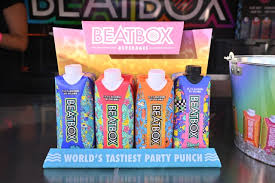
What the BeatBox Drink Is
The BeatBox drink is a ready-to-drink alcohol brand built around bold flavors, colorful packaging, and a party-focused identity. On its official FAQ page, BeatBox describes itself as a ready-to-drink cocktail available in fruit-forward Party Punch flavors as well as Hard Tea and Lemonade options. The company also says its products are available as wine-based and malt-based versions, with 11.1% and 8% ABV options depending on the product.
That matters because BeatBox does not position itself like a traditional bottle meant for quiet, formal drinking occasions. Its whole identity is louder, more playful, and more social. The name itself sounds energetic, the packaging stands out instantly, and the flavor lineup is built to feel easy to recognize. In a crowded ready-to-drink market, those things help BeatBox stay memorable.
How BeatBox Built a Distinct Identity
A lot of beverage brands talk about flavor, but BeatBox has always leaned just as heavily on mood and personality. On its own site and press materials, the brand repeatedly frames itself around music, social connection, and fun, describing itself as the Original Party Punch and tying its story to live music culture in Austin, Texas, where the company says its journey began in 2012.
That origin story helps explain why the BeatBox drink feels different from a standard canned cocktail or a conventional flavored alcohol brand. It was not built around elegance or tradition. It was built around energy. That gives the product a very clear lane in the market. People do not have to guess what BeatBox wants to be. The branding tells them immediately.
The Packaging Helps It Stand Out
One of the first things people notice about BeatBox is the package itself. Instead of looking like a conventional bottle or slim can, BeatBox is well known for its colorful resealable carton format, something the brand highlights in its official materials and press releases. Its site also notes serving details that point to a multi-serve setup, including 3.38 servings per container on a Party Punch product page.
That packaging choice is a big part of the brand’s success because it makes BeatBox easy to recognize from a distance. In modern retail, that matters a lot. A product often has only a few seconds to catch someone’s attention. Bright colors, a simple shape, and bold branding can do as much work as flavor names or advertising.
The resealable carton also supports the product’s identity. It feels casual and portable, which fits the brand image BeatBox has built around parties, festivals, and social events. Whether someone loves or dislikes the format personally, it is hard to deny that it makes the drink memorable.
Flavor Is a Major Part of the Appeal
The BeatBox drink is also built around flavor-first marketing. The company’s flavor pages highlight a lineup that includes fruit-driven options and seasonal or specialty releases, with examples such as Mystic Grape, Cinnamon, and other punch-style flavors presented as bold, fun, and easy to notice. Official product and remix pages repeatedly emphasize the brand’s 11.1% ABV party punch positioning and strong flavor identity.
That is a big reason BeatBox stays searchable online. People often hear the name first, then want to know what it actually tastes like. Since the brand has never tried to be subtle, curiosity comes naturally. A product called BeatBox with bright colors and unusual flavor names invites people to look it up.
Flavor-led branding has become increasingly important in the wider alcohol space. Many buyers are not only shopping for category anymore. They are shopping for something that feels distinctive. BeatBox understands that. Its flavors are part of the identity, not just a small detail on the package.
Why BeatBox Feels Different From Traditional Alcohol Brands
Traditional alcohol brands often lean on words like heritage, craftsmanship, reserve, or premium finish. BeatBox usually goes in the opposite direction. Its tone is more playful, its visual style is more colorful, and its message is less about ritual and more about social energy.
That difference has helped it carve out a specific audience. BeatBox is not trying to look like a classic spirit bottle sitting on a back bar for formal occasions. It presents itself as something more immediate and more casual. That does not automatically make it better than traditional brands, but it does make it easier to understand.
Consumers often respond well to that kind of clarity. When a brand communicates its purpose quickly, people are more likely to remember it. BeatBox has done that well. Even someone who has never tried the drink can usually tell what kind of brand it is aiming to be.
The Shark Tank Story Still Matters
BeatBox also benefits from one of the most widely recognized startup stories in beverage branding. In official company press materials, BeatBox says it secured a major Shark Tank investment from Mark Cuban, and the company has repeatedly pointed to that moment as part of its brand history. Its press materials also connect that exposure with the company’s continued growth and visibility in the alcohol category.
That matters because media stories can create long-term memory for a brand. Even years later, people still associate BeatBox with that startup breakthrough moment. It gave the company more than money. It gave it recognition. Once a beverage brand enters popular business or entertainment conversation, it becomes easier for people to remember and search later.
For BeatBox, that visibility worked especially well because the product itself was already visually distinctive. The story brought attention, and the branding helped hold it.
Why the BeatBox Drink Connects With Music and Festivals
BeatBox has long tied itself to live music culture. Its official materials describe the company as being driven by a love for music, and its press releases repeatedly frame the brand around festivals, fan communities, and social experiences. The company also uses music-centered language throughout its site, including phrases around remixes, flavor drops, and party energy.
This makes sense from a branding perspective. Music and alcohol brands often overlap because both are tied to atmosphere, identity, and group experiences. BeatBox leans fully into that overlap. It is not trying to be neutral. It wants to feel loud, youthful, and connected to settings where people are already looking for energy and shared moments.
That branding strategy also helps explain why the product photographs well and performs strongly on social media. A bright pack, a short name, and a festival-friendly vibe are all naturally suited to visual platforms.
Why the Brand Keeps Growing
Official BeatBox press materials describe the company as one of the fastest growing brands in the alcohol industry, and the company has also emphasized its strong social media presence and connection with younger adult audiences. While brand-issued growth claims should always be read as company messaging, they still show how BeatBox sees its place in the market: high-energy, culturally visible, and expanding beyond a single novelty moment.
That is important because many drinks get short bursts of attention and then disappear. BeatBox has managed to stay in conversation longer than that. One reason is that it has a full identity system behind it. The packaging, the flavor names, the music tie-ins, and the startup story all support each other. It is not depending on one single gimmick.
Another reason is that BeatBox sits inside a larger consumer trend. Ready-to-drink products have become increasingly attractive because people like convenience, easier serving formats, and recognizable flavor choices. BeatBox fits that shift naturally.
What Makes the Keyword “BeatBox Drink” Useful
From a search perspective, beatbox drink is a strong keyword because it combines curiosity with specific intent. People typing it are often trying to answer direct questions. They may want to know whether BeatBox is a cocktail, what kind of alcohol it contains, why it looks different, or what makes it so recognizable.
That focused search intent is valuable. Broad alcohol terms can bring casual traffic, but a keyword like beatbox drink usually comes from someone looking for a clear explanation. That is why content around this phrase often works best when it is direct and descriptive rather than overly technical.
The term also has branding strength because “BeatBox” is memorable on its own. It is short, easy to repeat, and visually tied to a product people can recognize quickly. Strong branded keywords often perform well because they are easier for people to recall after seeing them once.
Why BeatBox Still Feels Relevant
The BeatBox drink continues to get attention because it understands its role in the market. It is not trying to be everything to everyone. It has chosen a very clear identity and stayed with it. That helps it remain visible even as many new ready-to-drink brands appear every year.
Its relevance comes from a mix of factors: bold packaging, flavor-focused branding, music culture alignment, and a startup story people still remember. Put together, those elements make BeatBox feel more complete than a simple trend product.
That is why people keep searching the keyword. They are not only looking for a drink. They are looking for the story, the format, the flavor style, and the reason the brand feels so recognizable. In a market full of products competing for attention, that kind of clarity goes a long way.
FAQs
What is the BeatBox drink?
BeatBox is a ready-to-drink alcohol brand that the company describes as a cocktail line with Party Punch, Hard Tea, and Lemonade products, available in wine-based and malt-based versions.
What alcohol percentage is BeatBox?
BeatBox says its products come in 11.1% ABV and 8% ABV options, depending on the specific product.
Why is BeatBox so popular?
BeatBox stands out because of its bold flavors, colorful resealable packaging, music-focused branding, and the visibility it gained through its well-known startup story.
Is BeatBox a wine or a cocktail?
According to the company FAQ, BeatBox is described as a ready-to-drink cocktail, and the brand says some versions are wine-based while others are malt-based.
Where did BeatBox start?
BeatBox says its journey began in Austin, Texas in 2012, with a strong connection to live music culture.
Why do people search for “beatbox drink” online?
People usually search the term because they want to understand what BeatBox is, what it tastes like, what type of alcohol it contains, and why the packaging and branding are so recognizable.
