

A shop can look pretty sustainable from the outside. Reclaimed furniture, refill stations, nice little paper bags instead of plastic ones. Then someone opens the stockroom door. There’s cardboard everywhere, plastic wrapping from the morning delivery, a few damaged boxes and packaging that nobody quite knows what to do with. The shop floor looks great, but the mess behind it is a different story. And honestly, that’s where a lot of the work starts.
Running a low-waste café, shop or office isn’t just about choosing greener products. It’s dealing with all the stuff that comes with running a business, day after day, without letting it pile up.
Those Deliveries Aren’t as Clean as They Look
Take a shop selling skincare products. The bottles might be recyclable, and the brand might have put a lot of thought into its packaging. But the products still arrive wrapped in plastic, separated by cardboard inserts and packed into boxes filled with protective material. Multiply that by a few deliveries a week. There’s suddenly quite a bit to get rid of.
Before changing the bins or bringing in new equipment, it’s worth looking at the deliveries themselves. Can the supplier take back the crates? Could several orders arrive together? Is all that packaging actually needed? Some of it probably is. Glass bottles need protection, and damaged stock creates even more waste. But there might be things the supplier can change without much trouble.
Bulk ordering can cut down on packaging, but ordering more stock than the business can sell isn’t much of a win. Now there’s extra inventory taking up space, and possibly products that expire before anyone gets around to using them. It’s a bit of a balancing act.
Recycling Bins Don’t Fix Everything
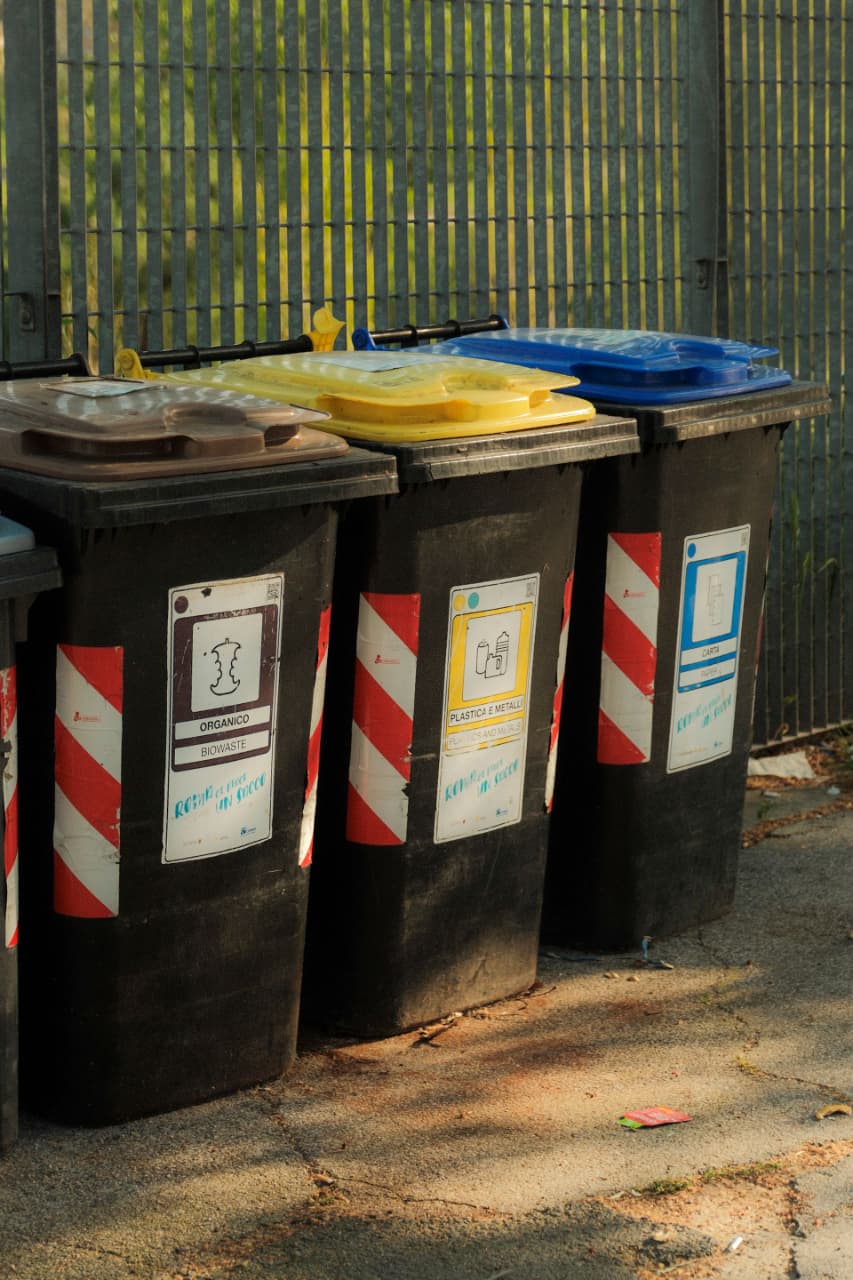
You can put separate bins for cardboard, plastic and general waste in every corner, but people still need to know what goes where. And the rules aren’t always as simple as the labels suggest. A plastic container might look recyclable, for example, but the local collection service may not accept that particular material.
It’s worth checking with the contractor rather than guessing. Keep the bins close to where waste is produced, make the labels clear and don’t make staff walk halfway across the premises just to dispose of something properly. Small things, really. But they affect whether the system gets used properly.
The Stockroom Usually Tells You What’s Going Wrong

Nobody wants cardboard boxes sitting around a nice retail space. So they get pushed into the stockroom, where there’s supposedly more room. Except the stockroom is already being used for stock, cleaning supplies, incoming deliveries and about ten other things. Then a large shipment arrives before a seasonal launch, and suddenly there’s nowhere to put anything.
Sometimes the fix is simple. Flatten the boxes as soon as the delivery is unpacked. Arrange collections more frequently when volumes increase. Ask suppliers to take back reusable packaging instead of leaving it behind.
Other times, the problem is the layout itself. A café needs somewhere suitable for food waste, with containers that can be cleaned properly and collections that keep up with daily volumes. A retailer receiving bulky packaging needs enough room to store it safely without blocking access to stock. These things are much easier to sort out when planning the premises than after the space is already full.
Getting The Waste Collected Is Another Job Entirely
Separating everything doesn’t mean much if the collection arrangements don’t work. An office producing mostly paper and cardboard has different needs from a café dealing with food waste or a retailer receiving large deliveries. The types of waste, the quantities involved and the available storage all affect how frequently collections are needed. The UK government’s commercial waste guidance is worth checking when reviewing business responsibilities and arrangements with authorised waste collectors.
For businesses looking at local options, waste management Milton Keynes is one service to consider when reviewing commercial collection and disposal. Before signing a contract, though, check the details. Which materials are included? How often can collections happen? Are additional collections available when things get busy? That last question matters more than it might seem. A retailer’s waste volumes can change considerably around Christmas or during a big product launch. A collection schedule that works perfectly in February might not be enough in December. And nobody wants to discover that when the bins are already full.
Are You Actually Producing Less Waste?
This is the bit that can get lost in the excitement of making changes. The business switches to recyclable packaging, installs new bins and introduces reusable containers. Everyone’s happy. But has anything actually changed in terms of the waste leaving the building?
A basic record can help answer that. Keep the collection invoices, note the main waste streams and compare monthly volumes. Packaging purchases are worth tracking as well. Say general waste collections haven’t decreased despite introducing recycling bins. Something’s going on. Perhaps materials are being sorted incorrectly, or suppliers are sending more packaging than before. It might even be that the business has grown and is generating more waste overall. The figures won’t explain everything, but at least there’s something concrete to investigate. WRAP’s guidance on the waste hierarchy makes a useful distinction here. Preventing waste and reusing materials should come before recycling wherever practical. Which is fair enough. Recycling a pile of cardboard is useful, but not having to deal with unnecessary packaging in the first place is better.
So, Does A Business Really Need to Be Zero-Waste?
Probably not in the absolute sense. Some packaging is unavoidable, some materials can’t be recycled locally, and hygiene requirements mean certain disposable products still have a place. But there’s usually room to do things differently.
Start with the stuff that keeps piling up. Look at what suppliers deliver, whether the bins are in the right places and whether collections happen often enough. Fix the obvious problems before spending money on a complicated new system. Some changes will take time. Others might cost more than expected. The important thing is whether they work when the premises are busy, staff are stretched and another delivery has just arrived. Because sustainability isn’t much use if it only works when everything goes to plan.
